Promises at the Ballot:The Unfinished Development Projects Raising Questions About Political Accountability
By: Faith Mary Wamaitha.
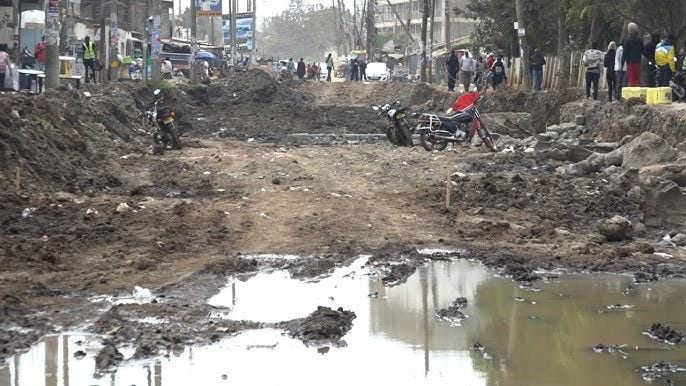
Every election season, political leaders travel across communities promising better roads, improved healthcare, access to clean water, employment opportunities and other development projects. Their promises often create hope among residents who believe that electing new leaders will improve their living conditions.
However, beyond campaign rallies, colourful posters and political speeches, questions remain about what happens to these promises once elections are over.
Across different parts of Kenya, residents continue to raise concerns about development projects that take years to complete, construction sites that remain abandoned and public facilities that fail to meet community expectations.
For some residents, an unfinished road means spending more money on transport, while for others, an incomplete health facility means travelling long distances to access medical services.
The situation raises questions about political accountability, the use of public resources and whether communities receive the development they were promised.
The reality behind campaign promises
During campaigns, development projects are often presented as evidence of a leader’s commitment to the electorate. However, residents need more than promises; they need visible results.
To understand this gap, this investigation seeks to examine selected development projects within [insert your county or constituency], focusing on their initial promises, implementation progress and current status.
Residents’ experiences are important in establishing whether these projects have improved their lives or whether they remain disappointed by unfulfilled expectations.
Where does accountability lie?
The completion of public development projects requires proper planning, budgeting, supervision and transparency. When projects stall, citizens deserve explanations about the challenges involved and how public funds have been used.
Questions also arise about whether project information is easily accessible to ordinary citizens and whether elected leaders regularly communicate progress to the communities they represent.
Governance experts argue that public participation and access to information are essential in promoting accountability in government projects.
The voices of the electorate
For ordinary citizens, development is not measured by campaign speeches but by the availability of services that improve everyday life.
Residents need functioning roads, accessible healthcare facilities, reliable water supply and quality education.
Their experiences provide an important perspective on the relationship between political leadership and service delivery.
As Kenya continues to strengthen democratic governance, the responsibility to account for public resources should remain a priority.
Ultimately, the question is not how many promises politicians make during campaigns, but how many they fulfil after receiving the people’s mandate.