Treatment Without Medicine: The Hidden Struggle of Patients in Kenya’s Public Health Facilities
By: Faith Wamaitha.
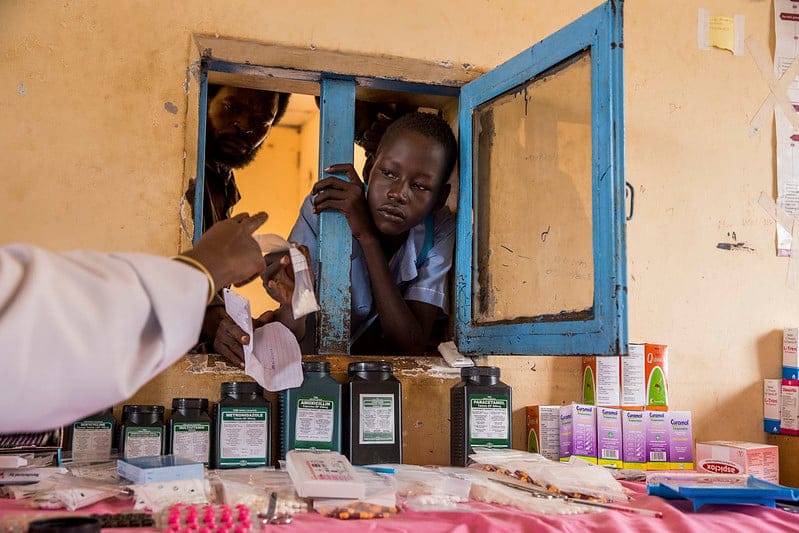
For many Kenyans seeking medical attention in public hospitals, receiving a doctor’s prescription does not always mean getting the required medication.
After spending hours waiting to be examined, some patients face another challenge when they arrive at hospital pharmacies, only to discover that the prescribed medicines are unavailable.
For families already struggling financially, this situation creates an additional burden as they are forced to seek medication from private pharmacies, where prices may be beyond their reach.
Behind the hospital queues and crowded waiting areas lies a concern that deserves greater attention: the availability and affordability of essential medicines in public health facilities.
When treatment becomes expensive
Public hospitals are expected to provide affordable healthcare services to communities. However, when prescribed medicines are unavailable, patients may have to purchase them elsewhere.
For low-income households, the cost of buying medication privately can mean choosing between healthcare and other basic needs such as food, transport and school expenses.
Some patients may postpone purchasing their medication because they cannot afford the additional costs, potentially affecting their treatment.
This investigation seeks to establish how frequently patients experience medicine shortages in selected public health facilities and the financial consequences for affected families.
The burden on vulnerable patients
Patients with chronic illnesses, elderly people and families with limited incomes may face particularly difficult circumstances when essential medicines are unavailable.
For someone requiring regular medication, missing treatment can create serious health risks.
Caregivers also experience financial and emotional pressure as they struggle to ensure that their loved ones receive the medication they need.
The situation raises questions about the distribution of essential medicines, hospital supply systems and the effectiveness of healthcare policies.
Where does the problem begin?
Medicine shortages can have different causes, including procurement delays, inadequate funding, distribution challenges and supply-chain disruptions.
Understanding these factors requires examining the experiences of patients alongside explanations from pharmacists, hospital administrators and relevant government health officials.
Public health facilities should also provide clear information about available medicines and alternative treatment arrangements when prescribed drugs are unavailable.
A call for improved healthcare access
Access to healthcare should not end at receiving a doctor’s diagnosis or prescription. Patients must also have a realistic opportunity to obtain the medicines required for their treatment.
For families already facing financial difficulties, reliable access to essential medicines can make a significant difference.
As Kenya continues working towards accessible and affordable healthcare, addressing medicine availability in public hospitals remains an important part of improving patient experiences.
Ultimately, healthcare should not become an additional financial burden for people who depend on public facilities for treatment.